Nutrition
“Let your food be your only medicine” – Hippocrates
Spoken over 2400 years ago by the father of medicine, this phrase remains at the heart of the most modern health approaches.
Contemporary science increasingly confirms the deep connection between eating habits, chronic disease prevention, and therapeutic support. But nutrition shouldn’t be focused on calories or strict diets.
Good nutrition is a comprehensive tool for care, prevention, and quality of life: a way to nourish the body while respecting the individual as a whole — their needs, history, emotions, and culture.
The role of the Nutritionist
The role of the nutritionist goes far beyond mere dietary prescription and schemas.
It involves personalized support, grounded in attentive listening, kindness, and science.
A good nutritional follow-up aims to:
- Understand your journey, needs, and daily life, beyond weight or symptoms.
- Explore your eating habits, behaviors, and emotions related to food, without judgment.
- Co-create a realistic, sustainable, and personalized strategy aligned with your lifestyle.
- Prevent and manage chronic diseases, incorporating the latest scientific findings.
- Reconcile the body and food, enhancing body image, autonomy, and the joy of eating.
- Offer discussions and concrete strategies to be shaped and implemented by the patient throughout their change journey.
A nutritionist is a partner in your overall health. They guide without imposing, direct without restricting, and support your choices without guilt.
The benefits for body and mind
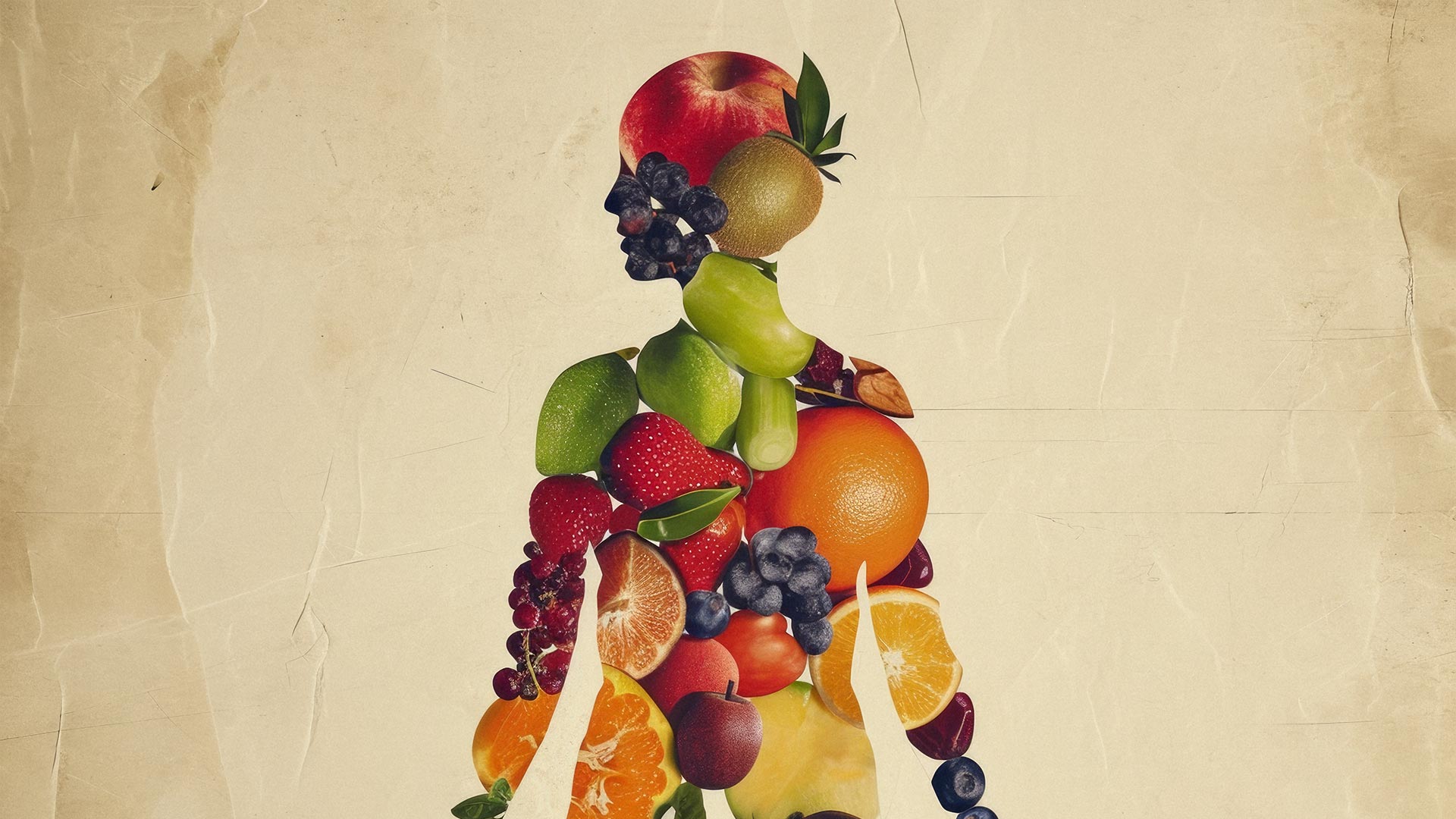
An adapted and respectful lifestyle has powerful effects on your physical and mental well-being:
- Prevents and treats chronic diseases such as diabetes, obesity, cardiovascular or digestive disorders.
- Improves quality of life at every stage (pregnancy, sports practice, childhood, adolescence, menopause, aging) and during recovery or medical treatments.
- Strengthens the immune system, regulates hormones, and supports gut health.
- Enhances mental and physical performance, concentration, mood, and stress management.
A Different Approach:
- Non-restrictive and behavioral nutrition.
I offer a human, scientific, and respectful approach, focused on reconnecting with the body and the pleasure of eating, without strict diets or prohibitions.
Based on the pillars of behavioral nutrition, this approach aims to:
- Adapt to your reality, nutritional needs, and lifestyle.
- Work on understand and respect your natural signals of hunger, fullness, and preferences.
- Free your relationship with food from rigid rules and the cycle of restrictions and compulsions.
- Help you rediscover intuitive, serene, and lasting eating habits.